






Your GPUs Are Everywhere. Your Robot-Learning Loop Shouldn't Be.
Robotics compute is spreading across clouds and clusters. Learn how one portable pipeline layer can keep the robot-learning loop reproducible.
Discover how ZenML stacks up against Dagster in the world of data pipeline orchestration. While Dagster offers a flexible, open-source platform for building and managing data pipelines, ZenML provides a more specialized solution focused on machine learning workflows. Compare ZenML's ML-centric features and integrations with Dagster's general-purpose pipeline orchestration capabilities. Learn how ZenML can streamline your ML operations with its intuitive pipeline definition, built-in experiment tracking, and seamless integration with popular ML frameworks, while Dagster caters to a broader range of data engineering and ETL use cases.


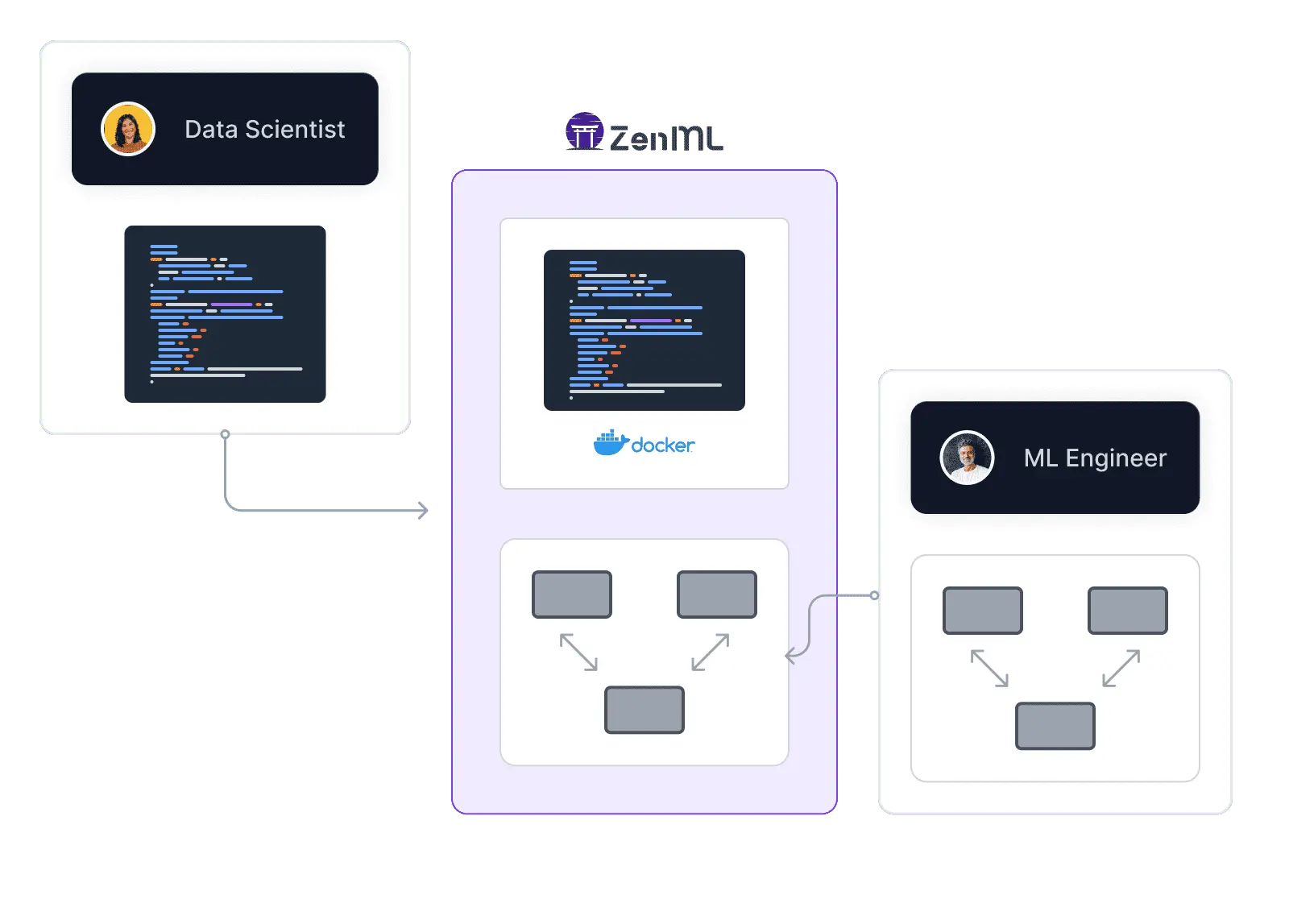
Feature-by-feature comparison
ZenML Dagster | ML Workflow Orchestration | Specialized for machine learning pipelines | General-purpose data pipeline orchestration not purpose-built for MLOps |
| ML Framework Integration | Built-in integrations with popular ML frameworks (scikit-learn, TensorFlow, PyTorch) | Requires custom integration with ML frameworks |
| Experiment Tracking | Built-in experiment tracking and comparison | Relies on external tools for experiment tracking |
| Model Registry | Integrated model registry for versioning and deployment | No built-in model registry |
| Data Processing | Supports data processing tasks within ML pipelines | Robust support for data processing and ETL workflows |
| Pipeline Definition | Clean and intuitive pipeline definition using Python decorators | Flexible pipeline definition using Python or YAML |
| Cloud Integration | Built-in support for popular cloud platforms (AWS, GCP, Azure) | Integrates with various cloud platforms and data stores |
| Scalability | Scales ML workloads across different compute backends | Scales data pipelines through various execution engines |
| Workflow Scheduling | Supports scheduled execution of ML pipelines | Robust scheduling and triggering of data pipelines |
| Community and Ecosystem | Growing community focused on ML workflows | Large and active community around data engineering and ETL |
Code comparison
ZenML from zenml import pipeline, step
from sklearn.ensemble import RandomForestRegressor
from sklearn.metrics import mean_squared_error
@step
def ingest_data():
return pd.read_csv("data/dataset.csv")
@step
def train_model(df):
X, y = df.drop("target", axis=1), df["target"]
model = RandomForestRegressor(n_estimators=100)
model.fit(X, y)
return model
@step
def evaluate_model(model, df):
X, y = df.drop("target", axis=1), df["target"]
rmse = mean_squared_error(y, model.predict(X)) ** 0.5
print(f"RMSE: {rmse}")
@pipeline
def ml_pipeline():
df = ingest_data()
model = train_model(df)
evaluate_model(model, df)
ml_pipeline()from dagster import pipeline, solid
from sklearn.ensemble import RandomForestRegressor
from sklearn.metrics import mean_squared_error
@solid
def ingest_data(_):
return pd.read_csv("data/dataset.csv")
@solid
def train_model(_, df):
X, y = df.drop("target", axis=1), df["target"]
model = RandomForestRegressor(n_estimators=100)
model.fit(X, y)
return model
@solid
def evaluate_model(_, model, df):
X, y = df.drop("target", axis=1), df["target"]
rmse = mean_squared_error(y, model.predict(X)) ** 0.5
print(f"RMSE: {rmse}")
@pipeline
def ml_pipeline():
df = ingest_data()
model = train_model(df)
evaluate_model(model, df)
ml_pipeline.execute_in_process()
ZenML is purpose-built for machine learning workflows, providing a more specialized and optimized experience compared to Dagster's general-purpose pipeline orchestration.

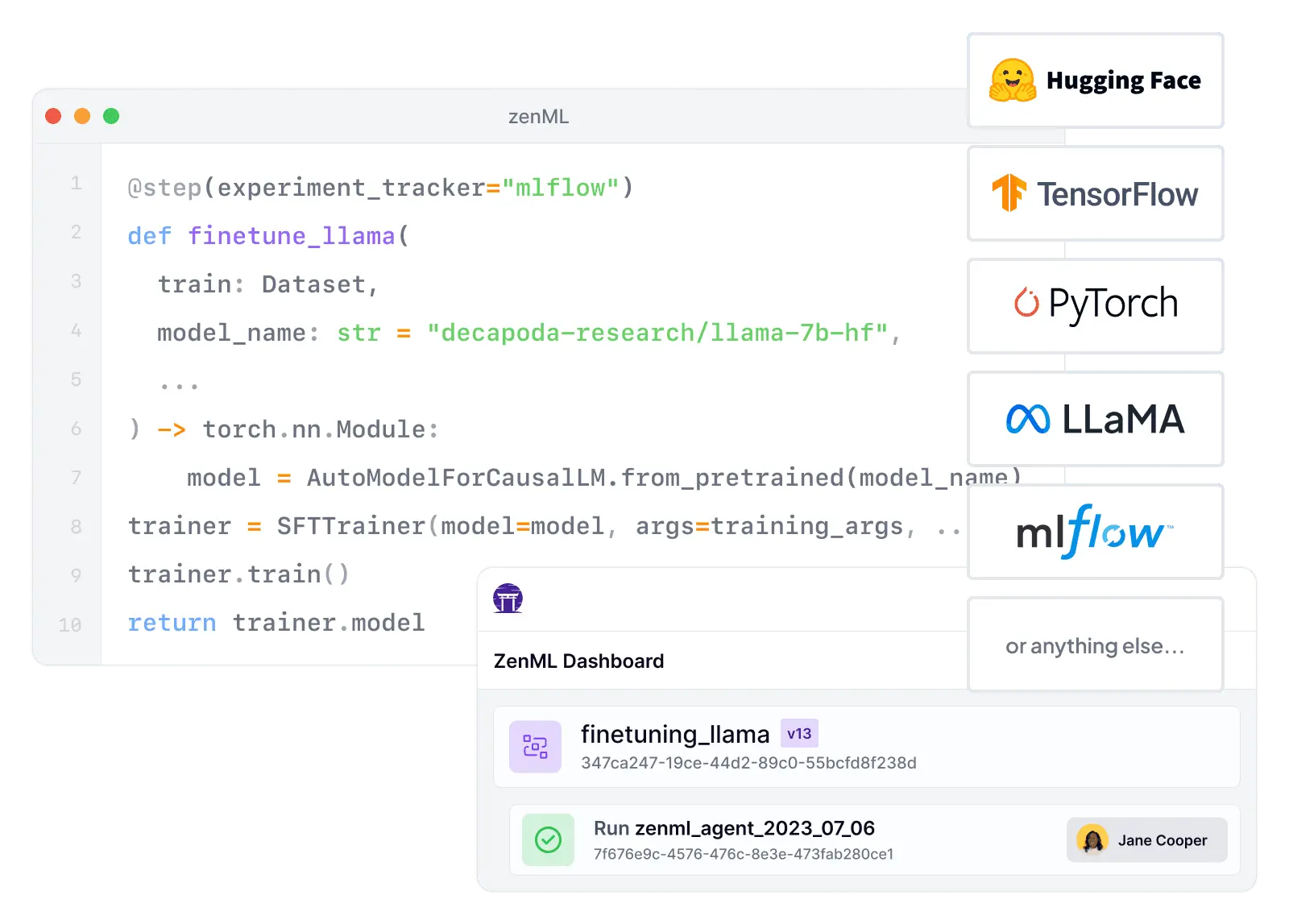
ZenML offers built-in integrations with popular ML frameworks, such as scikit-learn, TensorFlow, and PyTorch, making it easier to incorporate ML tasks into your pipelines.
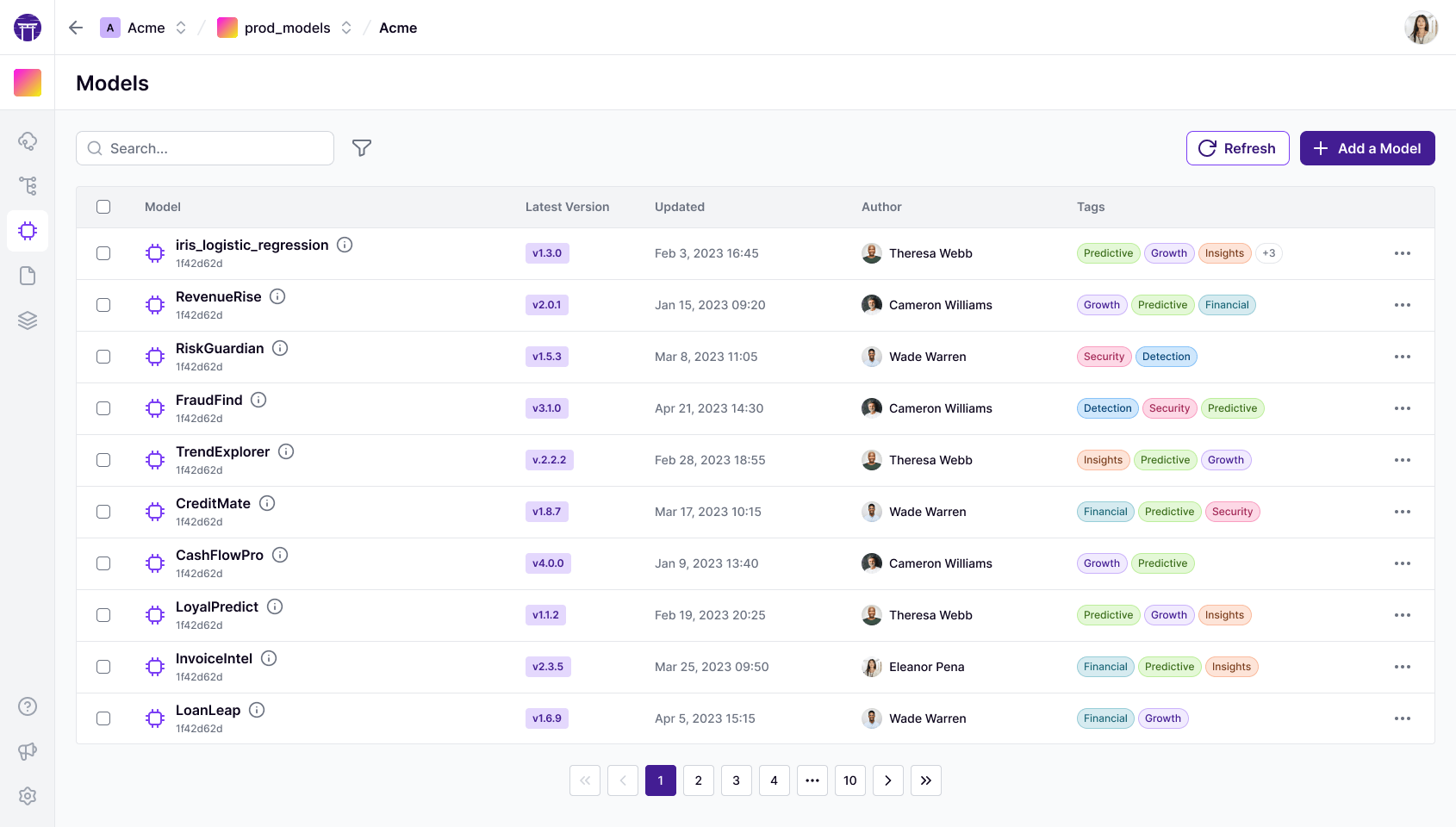
With ZenML, you can leverage built-in experiment tracking and model registry capabilities, streamlining the management of your ML experiments and model versions.
ZenML provides a clean and intuitive way to define ML pipelines using Python decorators, allowing you to focus on the core logic of your workflows.
ZenML places a strong emphasis on MLOps best practices, ensuring your ML workflows are reproducible, traceable, and compliant with governance requirements.
Expand Your Knowledge
Robotics compute is spreading across clouds and clusters. Learn how one portable pipeline layer can keep the robot-learning loop reproducible.

Claude Agent SDK runs the agent loop. Kitaru adds the durable runtime around a completed invocation — checkpointed results, artifacts, replay boundaries, and waits.
LangGraph keeps graph state, threads, and interrupts. Kitaru adds the durable workflow around the graph call — replay boundaries, durable waits, and inspectable runs.