
Serverless MLOps with Vertex AI
How ZenML lets you have the best of both worlds, serverless managed infrastructure without the vendor lock in.

Jun 27, 202211 Mins Read
How ZenML lets you have the best of both worlds, serverless managed infrastructure without the vendor lock in.

This week I spoke with Iva Gumnishka, the founder of Humans in the Loop. They are an organization that provides data annotation and collection services. Their teams are primarily made up of those who have been affected by conflict and now are asylum seekers or refugees.

We put together a list of 48 open-source annotation and labeling tools to support different kinds of machine-learning projects.

This week I spoke with Ben Wilson, author of 'Machine Learning Engineering in Action', a jam-backed guide to all the lessons that Ben has learned over his years working to help companies get models out into the world and run them in production.

I explain why data labeling and annotation should be seen as a key part of any machine learning workflow, and how you probably don't want to label data only at the beginning of your process.

We built an end-to-end production-grade pipeline using ZenML for a customer churn model that can predict whether a customer will remain engaged with the company or not.

As our AI/ML projects evolve and mature, our processes and tooling also need to keep up with the growing demand for automation, quality and performance. But how can we possibly reconcile our need for flexibility with the overwhelming complexity of a continuously evolving ecosystem of tools and technologies? MLOps frameworks promise to deliver the ideal balance between flexibility, usability and maintainability, but not all MLOps frameworks are created equal. In this post, I take a critical look at what makes an MLOps framework worth using and what you should expect from one.
Connecting model training pipelines to deploying models in production is seen as a difficult milestone on the way to achieving MLOps maturity for an organization. ZenML rises to the challenge and introduces a novel approach to continuous model deployment that renders a smooth transition from experimentation to production.

This week I spoke with Kush Varshney, author of 'Trustworthy Machine Learning', a fantastic guide and overview of all of the different ways machine learning can go wrong and an optimistic take on how to think about addressing those issues.
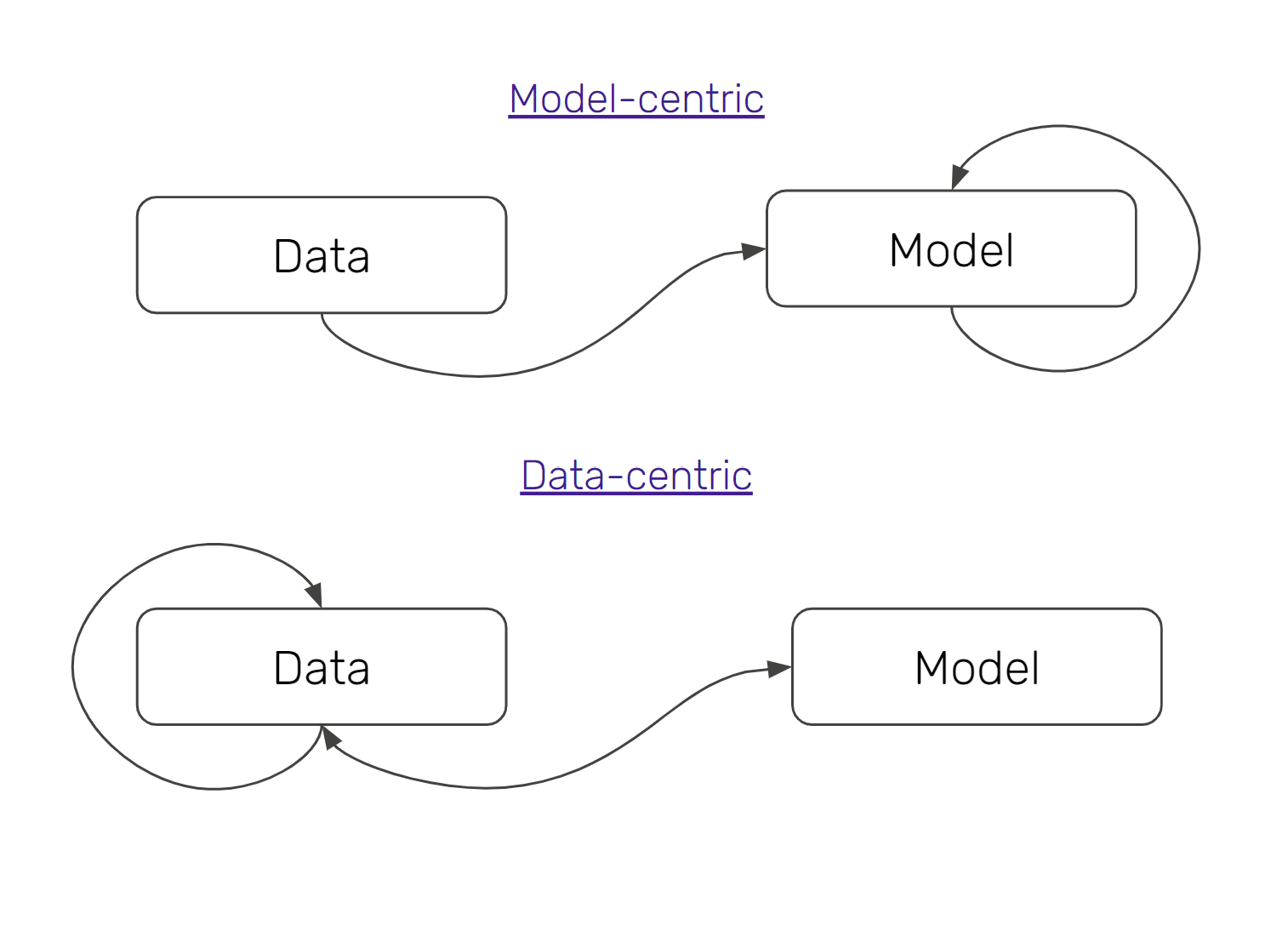
ML practitioners today are embracing data-centric machine learning, because of its substantive effect on MLOps practices. In this article, we take a brief excursion into how data-centric machine learning is fuelling MLOps best practices, and why you should care about this change.

This week I spoke with Matt Squire, the CTO and co-founder of Fuzzy Labs, where they help partner organizations think through how best to productionise their machine learning workflows.

With ZenML 0.6.3, you can now run your ZenML steps on Sagemaker, Vertex AI, and AzureML! It’s normal to have certain steps that require specific infrastructure (e.g. a GPU-enabled environment) on which to run model training, and Step Operators give you the power to switch out infrastructure for individual steps to support this.