
24 posts with this tag
We're expanding ZenML beyond its original MLOps focus into the LLMOps space, recognizing the same fragmentation patterns that once plagued traditional machine learning operations. We're developing three core capabilities: native LLM components that provide unified APIs and management across providers like OpenAI and Anthropic, along with standardized prompt versioning and evaluation tools; applying established MLOps principles to agent development to bring systematic versioning, evaluation, and observability to what's currently a "build it and pray" approach; and enhancing orchestration to support both LLM framework integration and direct LLM calls within workflows. Central to our philosophy is the principle of starting simple before going autonomous, emphasizing controlled workflows over fully autonomous agents for enterprise production environments, and we're actively seeking community input through a survey to guide our development priorities, recognizing that today's infrastructure decisions will determine which organizations can successfully scale AI deployment versus remaining stuck in pilot phases.
We're expanding ZenML beyond its original MLOps focus into the LLMOps space, recognizing the same fragmentation patterns that once plagued traditional machine learning operations. We're developing three core capabilities: native LLM components that provide unified APIs and management across providers like OpenAI and Anthropic, along with standardized prompt versioning and evaluation tools; applying established MLOps principles to agent development to bring systematic versioning, evaluation, and observability to what's currently a "build it and pray" approach; and enhancing orchestration to support both LLM framework integration and direct LLM calls within workflows. Central to our philosophy is the principle of starting simple before going autonomous, emphasizing controlled workflows over fully autonomous agents for enterprise production environments, and we're actively seeking community input through a survey to guide our development priorities, recognizing that today's infrastructure decisions will determine which organizations can successfully scale AI deployment versus remaining stuck in pilot phases.
Future-proof your ML operations by building portable pipelines that work across multiple platforms instead of forcing standardization on a single solution.
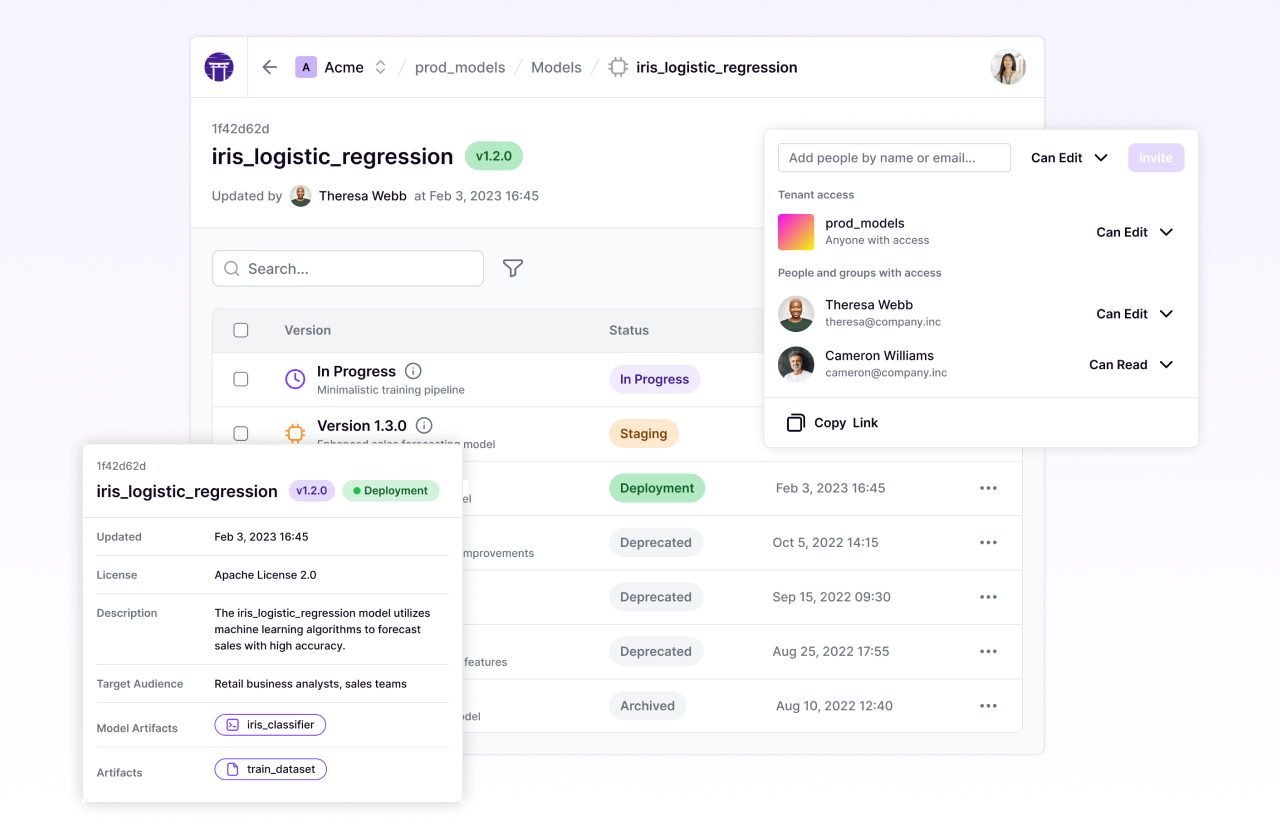
ZenML secures an additional $3.7M in funding led by Point Nine, bringing its total Seed Round to $6.4M, to further its mission of simplifying MLOps. The startup is set to launch ZenML Cloud, a managed service with advanced features, while continuing to expand its open-source framework.

This week I spoke with Emeli Dral, co-founder and CTO of Evidently, an open-source tool tackling the problem of monitoring of models and data for machine learning. We discussed the challenges around building a tool that is both straightforward to use while also customizable and powerful.

I spoke with Karthik Kannan, cofounder and CTO of Envision, a company that builds on top of the Google Glass and using Augmented Reality features of phones to allow visually impaired people to better sense the environment or objects around them.

This week I spoke with Iva Gumnishka, the founder of Humans in the Loop. They are an organization that provides data annotation and collection services. Their teams are primarily made up of those who have been affected by conflict and now are asylum seekers or refugees.

This week I spoke with Ben Wilson, author of 'Machine Learning Engineering in Action', a jam-backed guide to all the lessons that Ben has learned over his years working to help companies get models out into the world and run them in production.

As our AI/ML projects evolve and mature, our processes and tooling also need to keep up with the growing demand for automation, quality and performance. But how can we possibly reconcile our need for flexibility with the overwhelming complexity of a continuously evolving ecosystem of tools and technologies? MLOps frameworks promise to deliver the ideal balance between flexibility, usability and maintainability, but not all MLOps frameworks are created equal. In this post, I take a critical look at what makes an MLOps framework worth using and what you should expect from one.

This week I spoke with Kush Varshney, author of 'Trustworthy Machine Learning', a fantastic guide and overview of all of the different ways machine learning can go wrong and an optimistic take on how to think about addressing those issues.
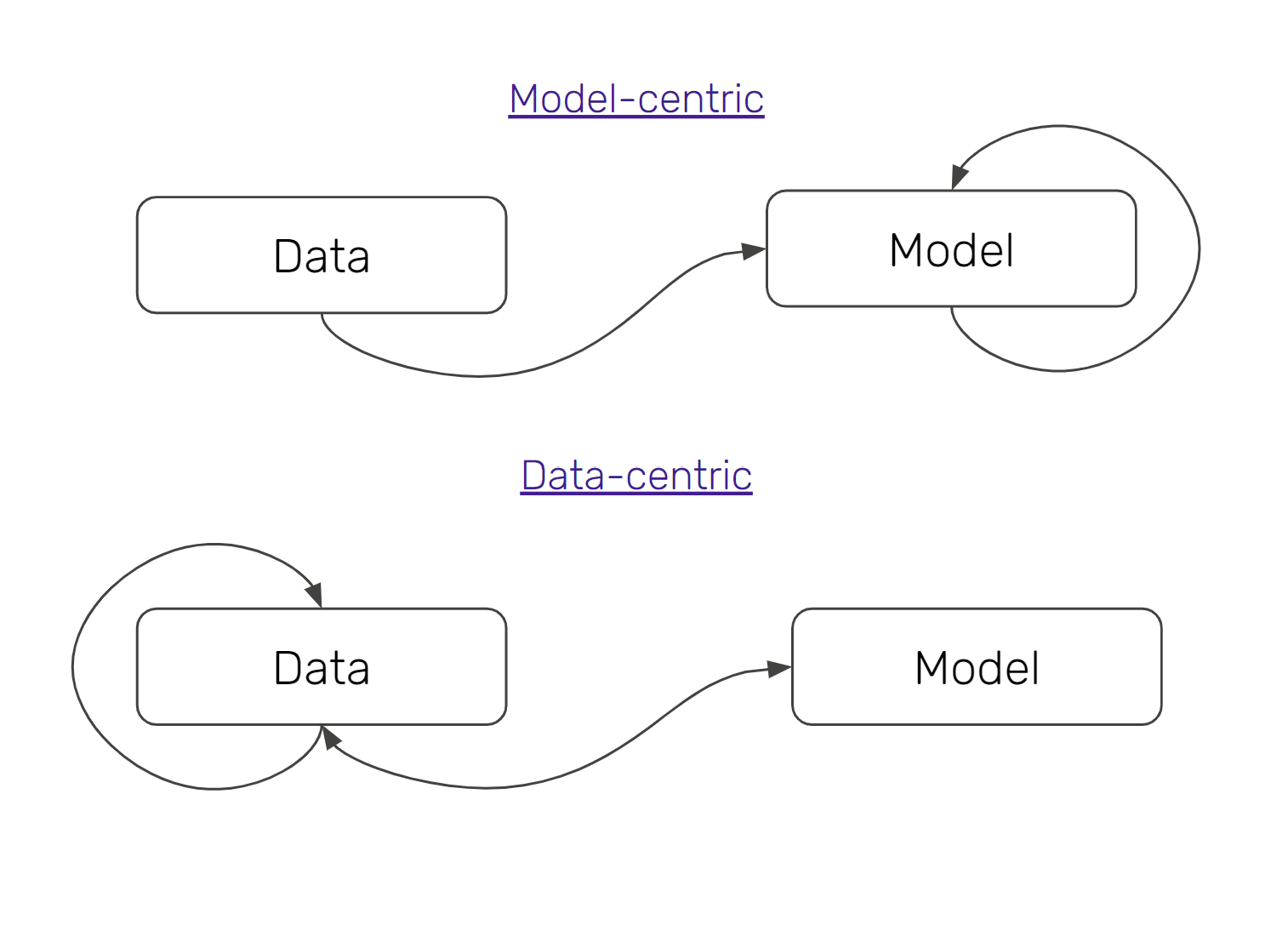
ML practitioners today are embracing data-centric machine learning, because of its substantive effect on MLOps practices. In this article, we take a brief excursion into how data-centric machine learning is fuelling MLOps best practices, and why you should care about this change.

This week I spoke with Matt Squire, the CTO and co-founder of Fuzzy Labs, where they help partner organizations think through how best to productionise their machine learning workflows.

This week I spoke with Emmanuel Ameisen, a data scientist and ML engineer currently based at Stripe. Emmanuel also wrote an excellent O'Reilly book called 'Building Machine Learning Powered Applications', a book I find myself often returning to for inspiration and that I was pleased to get the chance to reread in preparation for our discussion.
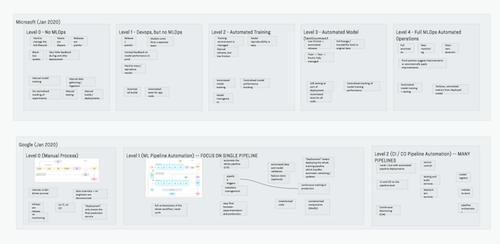
An exploration of some frameworks created by Google and Microsoft that can help think through improvements to how machine learning models get developed and deployed in production.

This week I spoke with Johnny Greco, a data scientist working at Radiology Partners. Johnny transitioned into his current work from a career as an academic — working in astronomy — where also worked in the open-source space to build a really interesting synthetic image data project.
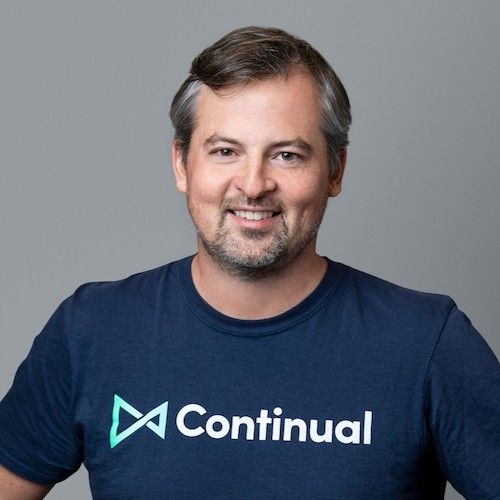
Tristan and Alex discuss where machine learning and AI are headed in terms of the tooling landscape. Tristan outlined a vision of a higher abstraction level, something he's working on making a reality as CEO at Continual.

All the advantages that ZenML will bring you if you choose to use it to productionize your model development workflows.
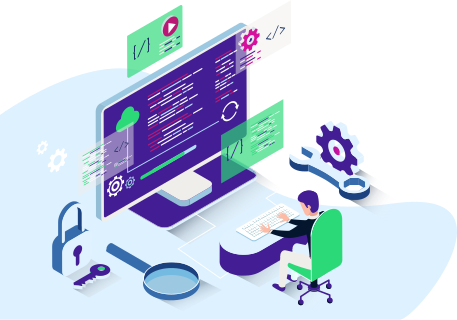
An overview of some of the capabilities that ZenML will unlock for our users.

MLOps isn't just about new technologies and coding practices. Getting better at productionizing your models also likely requires some institutional and/or organisational shifts.

A set of guiding principles to help you better productionize your machine learning models.
![Why ML in production is (still) broken - [#MLOps2020]](https://assets.zenml.io/webflow/64a817a2e7e2208272d1ce30/79950cfa/65316d2bc051413294285f1e_mlopsworldthumbnail.png)
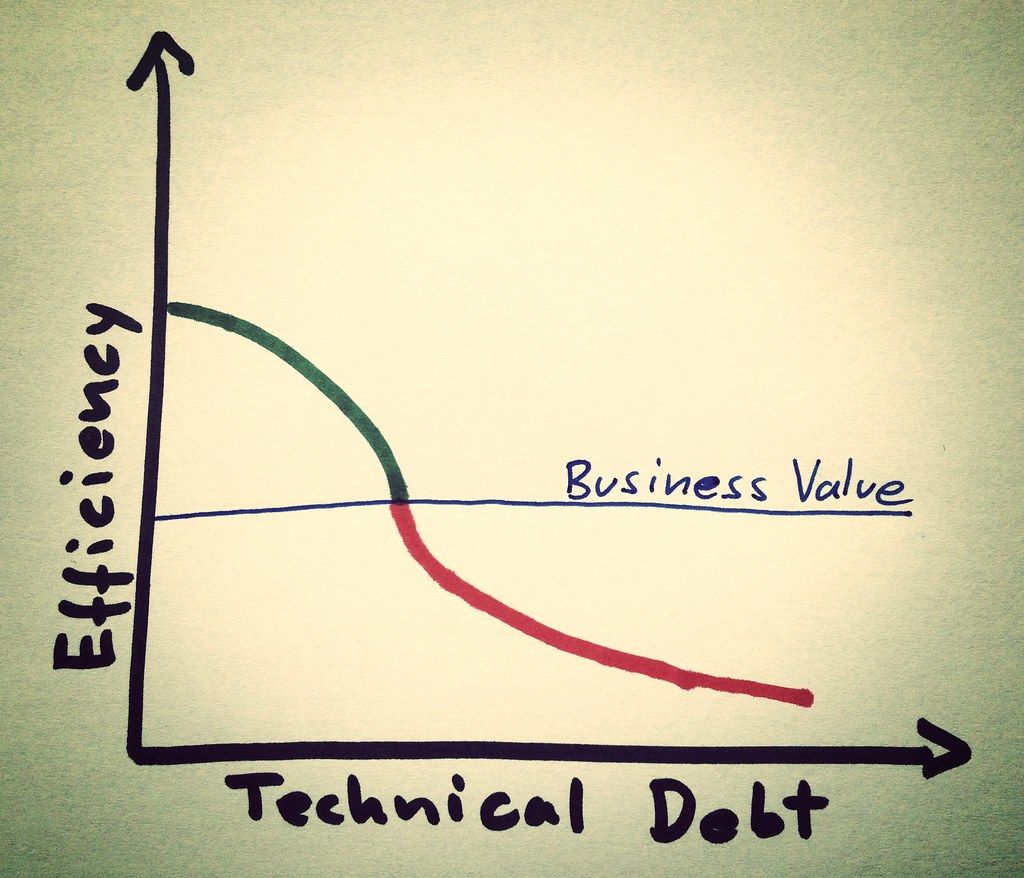
The MLOps movement and associated new tooling is starting to help tackle the very real technical debt problems associated with machine learning in production.
Pipelines help you think and act better when it comes to how you execute your machine learning training workflows.
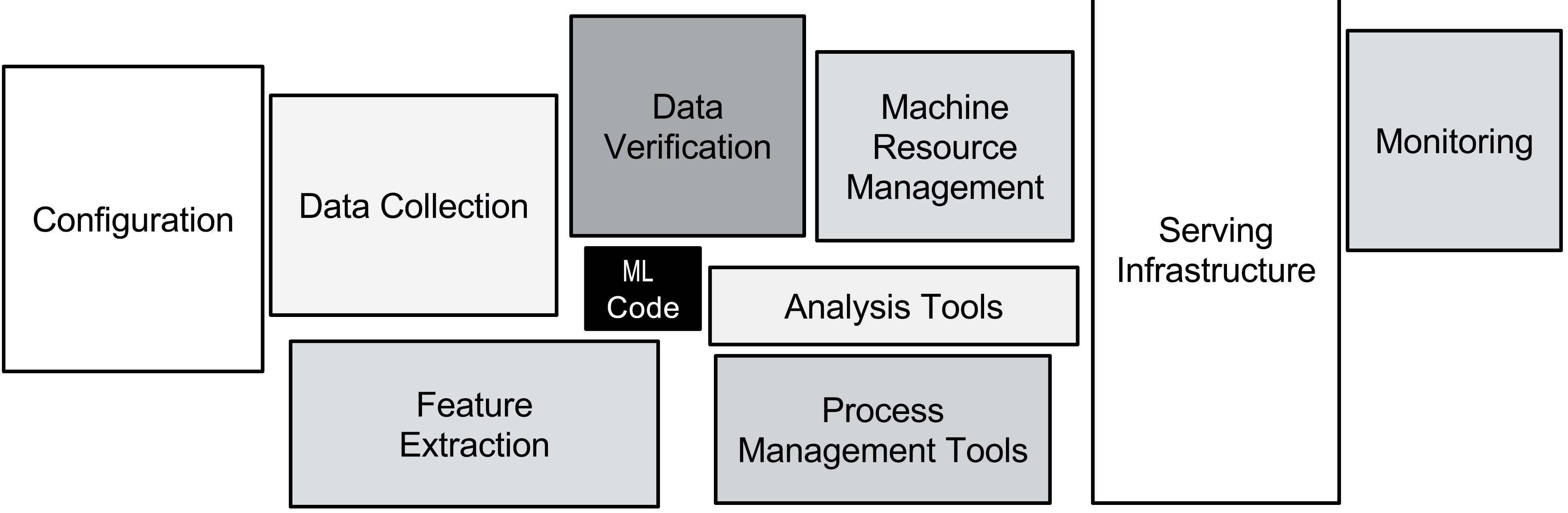
Software engineering best practices have not been brought into the machine learning space, with the side-effect that there is a great deal of technical debt in these code bases.